Gesundheitswahn

Ein Krieg gegen die Ganzheitlichkeit

For an English version of this article, please click hereHealthism – a war on wholeness

„Healthism“ (aus dem Englischen und ungefähr mir Gesundheitswahn übersetzbar) ist eine ganzheitliche Ideologie die darauf aufgebaut ist das jedeR Einzelne, auf der Grundlage von bewussten Entscheidungen, verantwortlich ist für ihre/seine Gesundheit und Wohlergehen. Gesundheitsvorsorge ist mitunter ein wichtiger Teil dieser Ideologie. Healthismus ist eine Kulmination von individualistischen und konsumorientierten Gedankenwelten, die den eigenen Körper ins Zentrum stellt für alle Wertüberlegungen und Entscheidungen. Gesundheit – in der Form eines eng definierten medizinischen Standards – und Schönheit – ausgedrückt in der äusserlichen körperlichen Erscheinung – werden somit die wichtigsten Indikatoren für das persönliche Wohlbefinden. Dazu kommt noch, dass in dieser Denkweise die natürliche Umwelt als konstante Bedrohung für die menschliche Gesundheit und das Wohlergehen angesehen werden. Gesellschaft und Kultur werden beinahe bedeutungslos in dieser Vorstellung von Gesundheit.

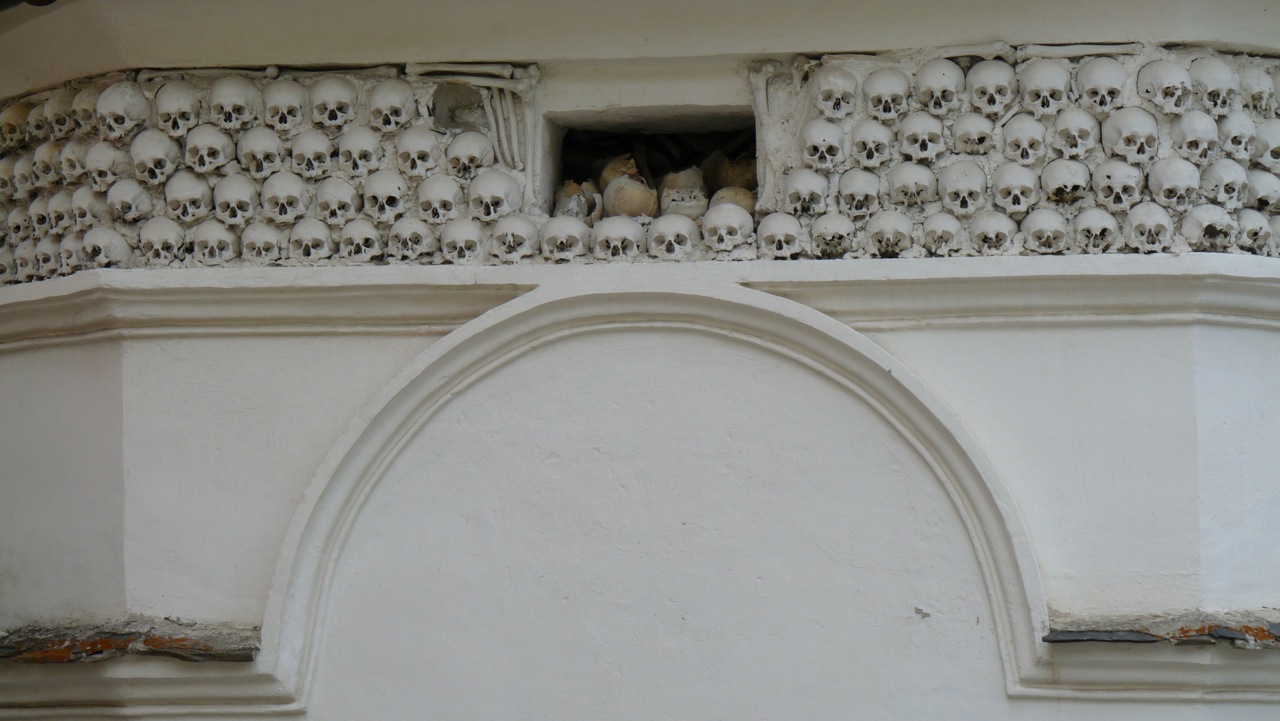
Pfarrkirche in Vrin, GR, Switzerland: Gedenkstätte für die Pestopfer - Memorial for the victims of the Black Death.
Pfarrkirche in Vrin, GR, Switzerland: Gedenkstätte für die Pestopfer – Memorial for the victims of the Black Death.

Healthismus ist eine Ausdruck von extremen Privilegien. Die Ideologie macht uns vor dass wir die Schöpfer unseres Schicksals und unserer Bestimmung sein können. Continue reading “Gesundheitswahn”

CDC: Affluenza Outbreak Numbers Reach Critical Levels, No Vaccine In Sight

Affluenza is a growing problem – not just in the US.

For a definition of affluenza, click here: diagnosis Affluenza

Michael Farkness's avatarConservative Newswire

Disassociated Press–Ft. Worth, TX

Centers for Disease Control and Prevention Director Dr Thomas R Frieden released numbers on the current outbreak of affluenza in the US at a press conference Monday morning, painting a chilling picture of the dangers posed to the population, in particular the wealthy.

“The latest affluenza case in Texas merely underscores the need to take steps in the development of preventative measures,” Frieden said to the press, in reference to Ethan Couch. Couch is the Texas teen who barely escaped up to 20 years in prison when his condition was revealed to have caused him to kill four people in a drunk driving accident, paralyzing a fifth person. “A young boy’s life has taken a tragic, irrevocable turn,” Frieden continued. “Ethan Couch’s life will forever center around his treatment. We hope our estimate, which indicates about 3 million or so of the wealthiest Americans could…

View original post 555 more words

Is perpetual direct democracy good for your health?

A friend of mine, Ion Delsol, operates a website – pasifik.ca – to support a vision of perpetual direct democracy. One of the experimental features is a section called “Now Polling” that is used to assess the will of the people on an ongoing basis. It is Ion’s firm belief that democracy should happen more often than on election day every four years. To read about Ion’s vision, visit this link: Perpetual Direct Democracy (available in Spanish as well).

I was recently asked by Ion to share my views and experiences of the health care system in British Columbia and Canada. The discussion started with a critique of the current health care system. It continued to consider more fundamental factors than bigger and better machines and shorter wait times: Social determinants of health. Income equality, social justice, and political empowerment will make people healthier.

Ion taped and edited the conversation and it will be broadcast on the community cable channel in British Columbia. The interview is also available online on pasifik.ca and YouTube:

Determinants of Health – Part 1

Determinants of Health – Part 2

Determinants of Health – Part 3

Determinants of Health – Part 4

Easter Laughter – Osterlachen: “Risus Paschalis”

KlosterRappi7

In some parts of Europe in the Middle Ages, there was an Easter tradition called risus paschalis, or “Easter laughter.”  After Vespers and Benediction, the priest would regale his congregation with comical stories and jokes, often fables with a moral point to make.  After the somber weeks of Lent, the laughter was both a reward and a release.  The tradition died out following the Protestant Reformation, but perhaps it will make a comeback. Happy Easter! (from cathedralliturgy.blogspot.ch)

Osterlachen bezeichnet den Brauch, in der Predigt an Ostern die Gottesdienstgemeinde zum Lachen zu bringen. In einigen Regionen war es vom 14. bis 19. Jahrhundert fester Bestandteil des christlichen Brauchtums. Zu diesem Brauch gehörte es, in der Osterpredigt eine Geschichte zu erzählen, die die Gemeinde zum Lachen brachte. Der Grundgedanke des Osterlachens war die Osterfreude zum Ausdruck zu bringen. Das Osterlachen war auch eine lustige Art, ein wenig Kritik an der weltlichen oder kirchlichen Obrigkeit zu üben. Frohe Ostern! (aus Wikipedia)

Here an attempt to share the Easter laughter:

The Pope comes to the Pearly Gates and rings the bell. Peter responds quickly and opens the door. “Welcome to heaven. Who are you, my guest?” “I am the Pope, your successor in the apostolic office in Rome” says the pope with a hint of disappointment in his voice. “I have no idea who you are and what you are talking about. Let me quickly ask my boss!” As soon as Peter finished speaking, God the Omnipresent appeared. “How can I help you?” she said to the Pope. “I am the Pope. I am your representative on earth.” God raises her eyebrows and falls into deep silence for a short time. Then she says to the Pope: “I am sorry. I don’t recognize you and I am not clear what you are talking about. But let me consult with my son.” God sent an instant message to Jesus. He arrives at heaven’s door without delay and greets the Pope. He takes him aside, inquires about his concerns, and engages him in a conversation. After a while, Jesus comes back with a big grin on his face: “I wasn’t aware that the fisherman’s club we formed two thousand years ago was still in existence!”

Versuche ob dich die folgende Geschichte zum Lachen bringen kann.

Der Papst kommt zum Himmelstor und klingelt. Petrus eilt herbei und öffnet. “Gegrüsst seiest du. Wer bist du denn?” “Ich bin der Papst, ich bin dein Nachfolger im apostolischen Amt in Rom” sagt dieser mit einem Anflug von Enttäuschung in seiner Stimme. “Ich habe keine Ahnung wer du bist und wovon du sprichst. Lass mich mal meinen Boss fragen!” Kaum hat Petrus das gesagt, ist Gott der Allgegenwärtige da. “Ja, bitte?” spricht sie den Papst an. “Ich bin der Papst. Ich bin dein Stellvertreter auf Erden.” Gott runzelt ihre Stirn und versinkt in ein kurzes, tiefes Schweigen. Danach sagt sie zum Papst: “Es tut mir leid. Ich erkenne dich nicht und mir ist nicht klar wovon du sprichst. Aber, lass mich mal bei meinem Sohn nachfragen.” Gott sendet eine Instant-Message zu Jesus. Der kommt auch gleich an die Himmelspforte und begrüsst den Papst. Er nimmt ihn zur Seite, erkundigt sich nach dem Anliegen des unbekannten Gastes, und unterhaltet sich mit ihm. Dann kommt Jesus zurück, mit einem grossen Schmunzeln im Gesicht: “Ich war mir nicht bewusst dass dieser Fischer-Verein, den wir vor zweitausend Jahren ins Leben riefen, immer noch existiert!”

Related topics:

The significance of the insignificance of self

Die Bedeutung der Geringfügigkeit des Selbst


Mein Gott, warum hast du mich verlassen? – My God, why have you forsaken me?

Here a few thoughts on Good Friday, inspired by the bible verses in Mark 15:34 – Einige Gedanken zum Karfreitag, inspiriert von den Bibelworten im Markusevangelium (15:34)

Chad2

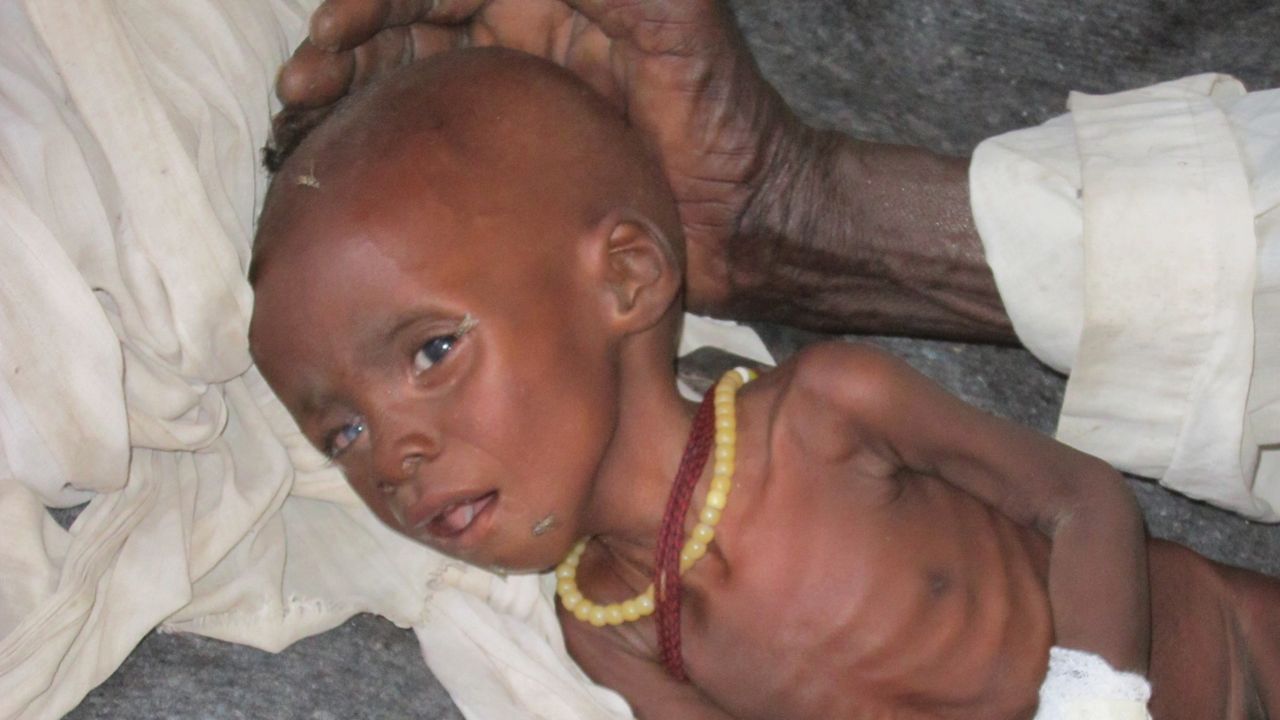
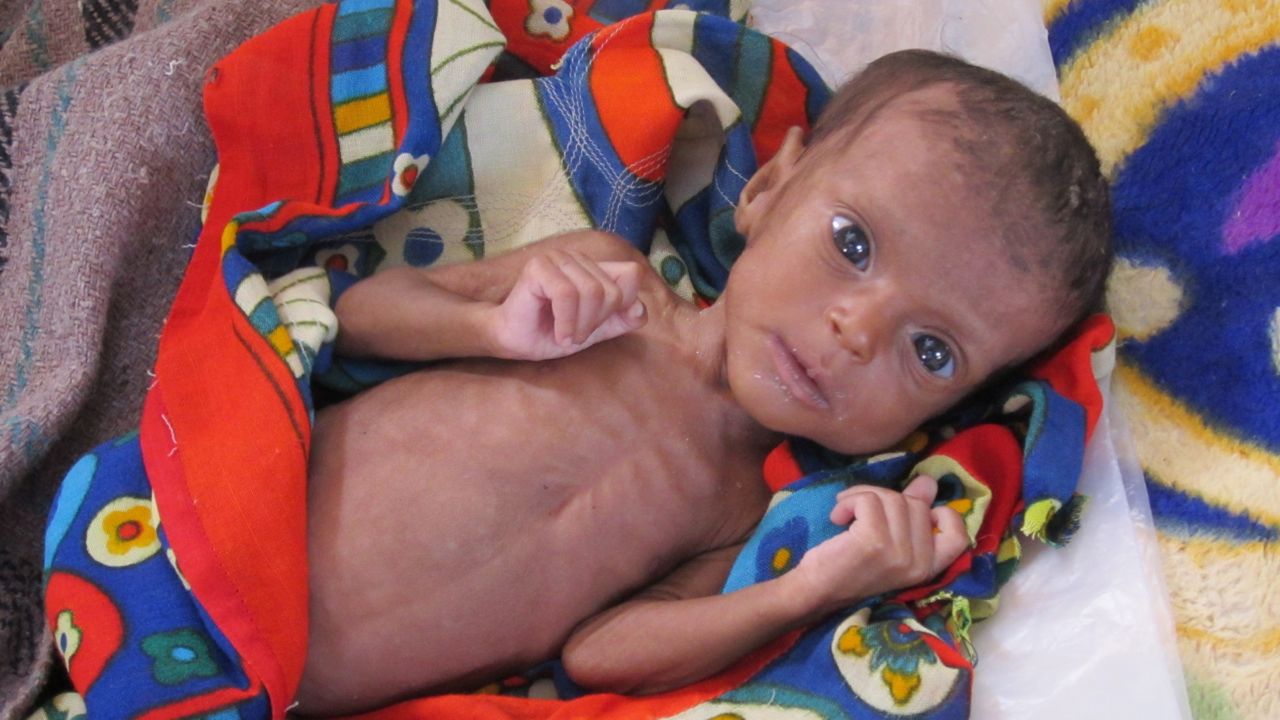
These children are the children of God in today´s world. They are bearing the cross for us who enjoy the privileges and the security of an affluent life. They are only a few months old, with the facial expressions of an old person facing death. They look us straight in the eyes with little or no energy to show the slightest emotion. But I can clearly hear their question:

“Why have you forsaken me?”

This is a question that touches me directly and encourages me to fight for more social justice, in my immediate surroundings as well as on a global scale, that mandates me to act for the well-being of all humans and the creation, and that is not simply of interest in a ancient religious text that can be interpreted in a spiritual context. Back then, Jesus was nailed to the cross – these children die with the same innocence in front of our eyes. Therefore, it is very important for me to always recognize the divine in every human being I have the honour to meet on my journey through life.

The suffering of the children of God is unnecessary and avoidable. Death shall be the rounding off of a fulfilled life. This week, I was able to cry a few times in remembrance of my contribution towards easing the suffering; a commitment I need to renew on a daily basis.

Chad1

Diese Kinder sind die Kinder Gottes von heute. Sie tragen das Kreuz für uns, die wir alle Privilegien und Sicherheiten einer wohlhabenden Gesellschaft geniessen können. Sie sind einige Monate alt und tragen die Gesichtsausdrücke eines Greisen der kurz vor dem Tod steht. Sie sehen uns direkt in die Augen ohne auch noch die Kraft zu haben das geringste Gefühl auszudrücken. Aber ich kann ganz klar die Frage hören:

“Warum hast du mich verlassen?”

Dies ist eine Frage die mich direkt betrifft und mich anspornt mich zu wehren für mehr soziale Gerechtigkeit, im Kleinen wie auch in Grossen,die mich beauftragt mich einzusetzen für das Wohl aller Menschen und die Schöpfung, die nicht nur in einem alten religiösen Text steht und rhetorisch-spirituel interpretiert werden soll. Jesus hing damals am Kreuz – diese Kinder sterben heute genau so unschuldig vor unseren Augen. Ich finde es für mich immer wieder wichtig, das Göttliche in jedem Menschen zu erkennen dem ich begegnen darf auf meiner Reise durchs Leben.

Das Leiden der Kinder Gottes ist unnötig und vermeidbar. Der Tod soll ihr Leben abrunden nach einem erfüllten Leben. Diese Woche konnte ich einige Male weinen in Erinnerung an meinen Betrag, den ich jeden Tag neu leisten muss, um diese Leiden zu verringern.

(Photo credits: Brian D´Cruz)

The medical emergency interventions through Doctors without Borders/MSF were giving one of the pictured infants a second chance in life. For the other one returned to God prematurely. الله يرحمه ويدخله فسيح جناته (May God have mercy on him and make him enter His vastest paradise). – Die medizinische Nothilfe durch Ärzte ohne Grenzen/MSF hat einem der abgebildeten Kinder eine zweite Chance im Leben ermöglicht. Das andere ist vorzeitig zum Schöpfer zurück gekehrt. الله يرحمه ويدخله فسيح جناته  (Möge Gott ihm Gnade zeigen und in Sein Himmelreich einziehen lassen).

For more information on my encounter with the pictured children, see the following blog entries: – Für weitergehende Informationen über die Umstände meiner Begegnungen mit den abgebildeten Kindern, kannst du die folgenden Beiträge lesen:

With MSF in Chad

Hope on the Horizon and Hope on the Horizon (the movie)

Ankunft – Arrival #2

(English translation below)

Schon seit Tagen bin ich am Ankommen hier in der Schweiz. Ich hatte ja keinen napoleonischen Einzug geplant oder vorgesehen. Und es war trotzdem ein einzigartiges Erlebnis:
Von Mainz aus bin ich im Hochgeschwindigkeitszug dem Rhein entlang Richtung Schweiz gefahren. Das steht im Widerspruch zu meiner Absicht des langsam Reisens. Doch irgendwie hatte ich nach dem erholenden Aufenthalt in Mainz das Bedürfnis anzukommen. Natürlich war der schmerzende Fuss und die leichte Gehbehinderung durch die Blase und Schwellung am linken Fuss mit ein Grund, dass ich im Moment weniger Lust hatte, zu Fuss oder sonst wie von Ort zu Ort zu reisen. Continue reading “Ankunft – Arrival #2”

En route – Antwerp


Illumination: Attempted murder – or heated disagreement?

The eerie beauty of the flashing lights from emergency response vehicles.

I have not met my neighbours, yet. But I have a variety of impressions from living side by side, separated by a wall that is not sound proof.
So far, I have heard only adult voices. There is no other indication that children are living right next door. People come and go. At times, the light is on in the dining room, whose windows are facing the windows of our dining room, six feet apart. Behind the curtains, outlines of human figures are visible. And these figures talk, discuss, and laugh. I consider the interactions animated, loud, passionate, Mediterranean.
In the flow of these voices, I can hear the door open and close, the conversations being carried out onto the street and slowly disappearing. Then it is silent, the light sometimes on, sometimes off.

Last night, there was one point where the mood of the voices turned from cheerful, convincing, passionate, to a much tenser mood. Continue reading “Illumination: Attempted murder – or heated disagreement?”

Map it out – the extent of obvious misery

Here I am in the Kensington area of Philadelphia.

The row houses in the Kensington area were originally built for workers in the vicinity of the factories that employed them. They are a monument to industriousness and dignity. The factories were not social institutions, but apparently it was possible for many families to live in their own little house in the neighbourhood. It was a short commute to the workplace. There were many little corner stores selling things of daily needs, and bars for those who had daily or occasional wants. Some avenues were commercial districts with a variety of stores and shops. I have seen a library in a park, schools and a hospital – all in a similar architectural style making use of brickwork, just the way the factories were built. And there were many churches to comfort the ones hit by hardship and to celebrate with the ones who were able to make it.

Industrial Beauty - a restored factory portal in Kensinton
Industrial Beauty – a restored factory portal in Kensington

Continue reading “Map it out – the extent of obvious misery”

diagnosis: Affluenza

Affluenza: 1. A painful, contagious, socially transmitted condition of overload, debt, anxiety and waste resulting from the dogged pursuit of more. 2. The bloated, sluggish and unfulfilled feeling that results from efforts to keep up with the Joneses. 3. An epidemic of stress, overwork, waste and indebtedness caused by the pursuit of the American Dream. 4. An unstable addiction to economic growth. (from www.affluenza.org)

and a possible therapy approach:

Degrowth: the intentional redirection of economies away from the perpetual pursuit of growth. For economies beyond the limits of their ecosystems, this includes a planned and controlled contraction to get back in line with planetary boundaries, with the eventual creation of a steady-state economic system that is in balance with Earth’s limits.
from: Serge Latouche, “Growing a Degrowth Movement,” in Worldwatch Institute, State of the World 2010 (New York: W. W. Norton & Company, 2010), p. 181

for more thoughts on the condition of affluenza, click here: Affluenza

Fourth Sunday of Advent

As the days get shorter and shorter, let us light a candle.Let us add one more candle.

As the days get shorter and shorter, let us light a candle.As the days get shorter and shorter, let us light a candle.As the days get shorter and shorter, let us light a candle.
I am holding my mother in the Light and wish her the strength for healing and recovery from the various setbacks in recent days.

Ich bete für meine Mutter, dass sie die Kraft findet zu genesen und sich zu erholen von den verschiedenen Rückschlägen die sie in den letzten Tagen erlebt hat.

Walking Home – a short film

“Walking Home – A contemplative journey along the Yukon River” is a short film conceptualized, directed, and produced by Othmar F. Arnold, with feedback and support from Celia McBride; filmed in Whitehorse, Yukon (Canada).

Continue reading “Walking Home – a short film”

A sorry state – the loss of democracy (+de)

A Sorry State (für eine deutsche Teilübersetzung klicke hier: Ein leider Zustand)

Last week, the Available Light Cinema film series in Whitehorse screened the new documentary by local director Mitch Miyagawa with the catchy title “A Sorry State”. Indeed, much of what we read in the news about politics, be it at the level of the territorial government, the federal government, or many national governments around the world, supports the impression that this world is in a sorry state.

But do not fear: I am not going to write a lament about our current political situation. I’ll leave that for other writers in local newspapers that dared to describe our cage-fighting MP a sock puppet of the Prime Minister… (Yukon News)

The sorry state in Miyagawa’s film refers to the various apologies his extended family has received over the last decade from the government of Canada for political wrongs of its colonial history: Continue reading “A sorry state – the loss of democracy (+de)”

Last Stop for Miles (The Feature Film) – Teaser released

Celia McBride released the teaser for her feature film production Last Stop for Miles. It is available on YouTube.

“When running away brings you back…”

The feature is expected to be released in spring 2013. For more information on the movie and its production on location in the Yukon, visit: Last Stop for Miles

For a list of cast and crew, please go to the credits page.