It is in part my own unsettled feeling that has made me pay attention to an article titled TheSpirituality of Restlessness in a pamphlet by the Friends World Committee for Consultation.
When everybody else is calm and restrained, and you feel the call to go…
In this pamphlet, Snyder (2010) describes spiritual restlessness as archetypal. He describes it as “the call to leave the known for the unknown” (Snyder, p. 2). He makes the assertion that it is found in all religious traditions. Continue reading “Spiritual restlessness”→
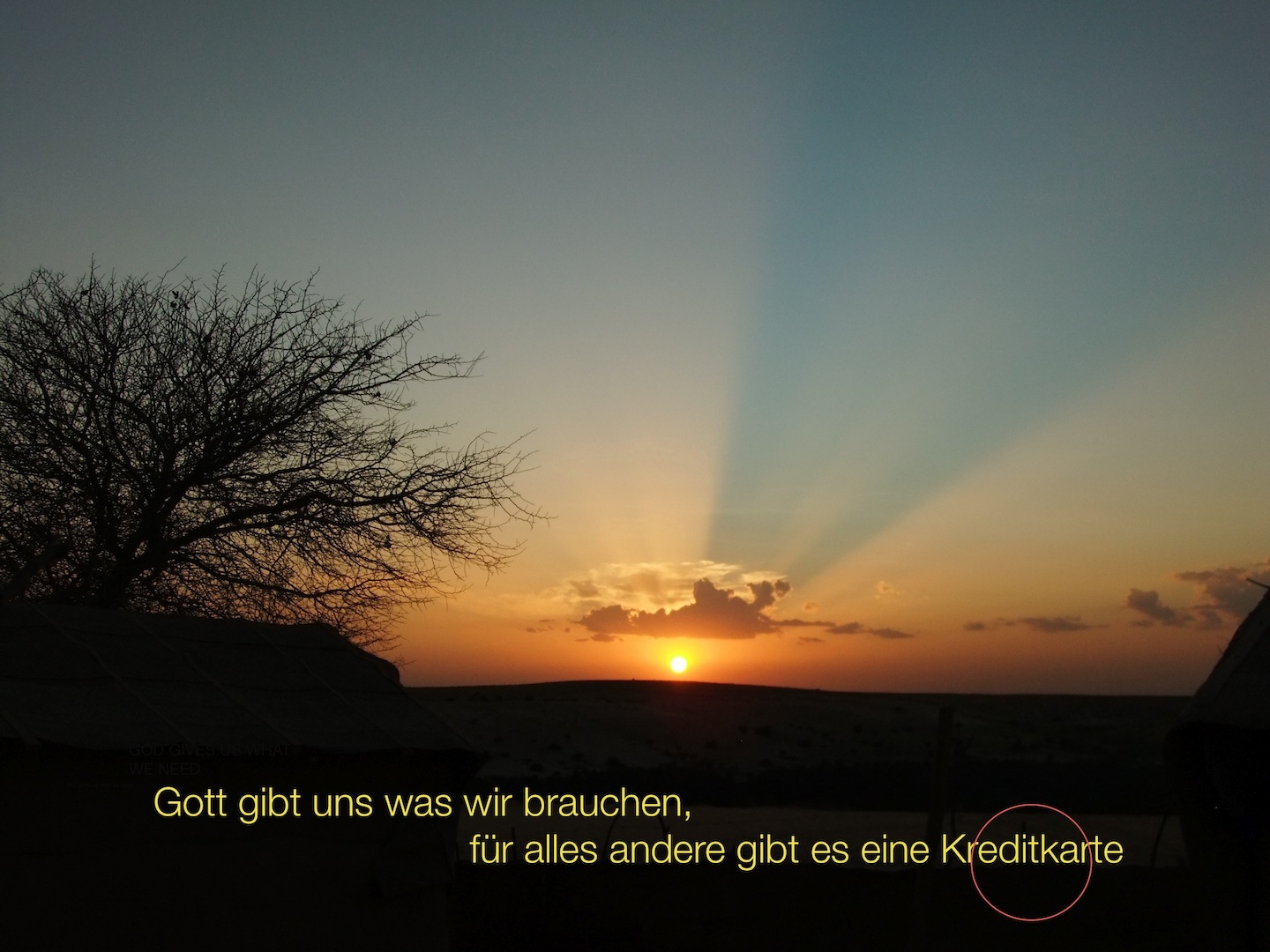
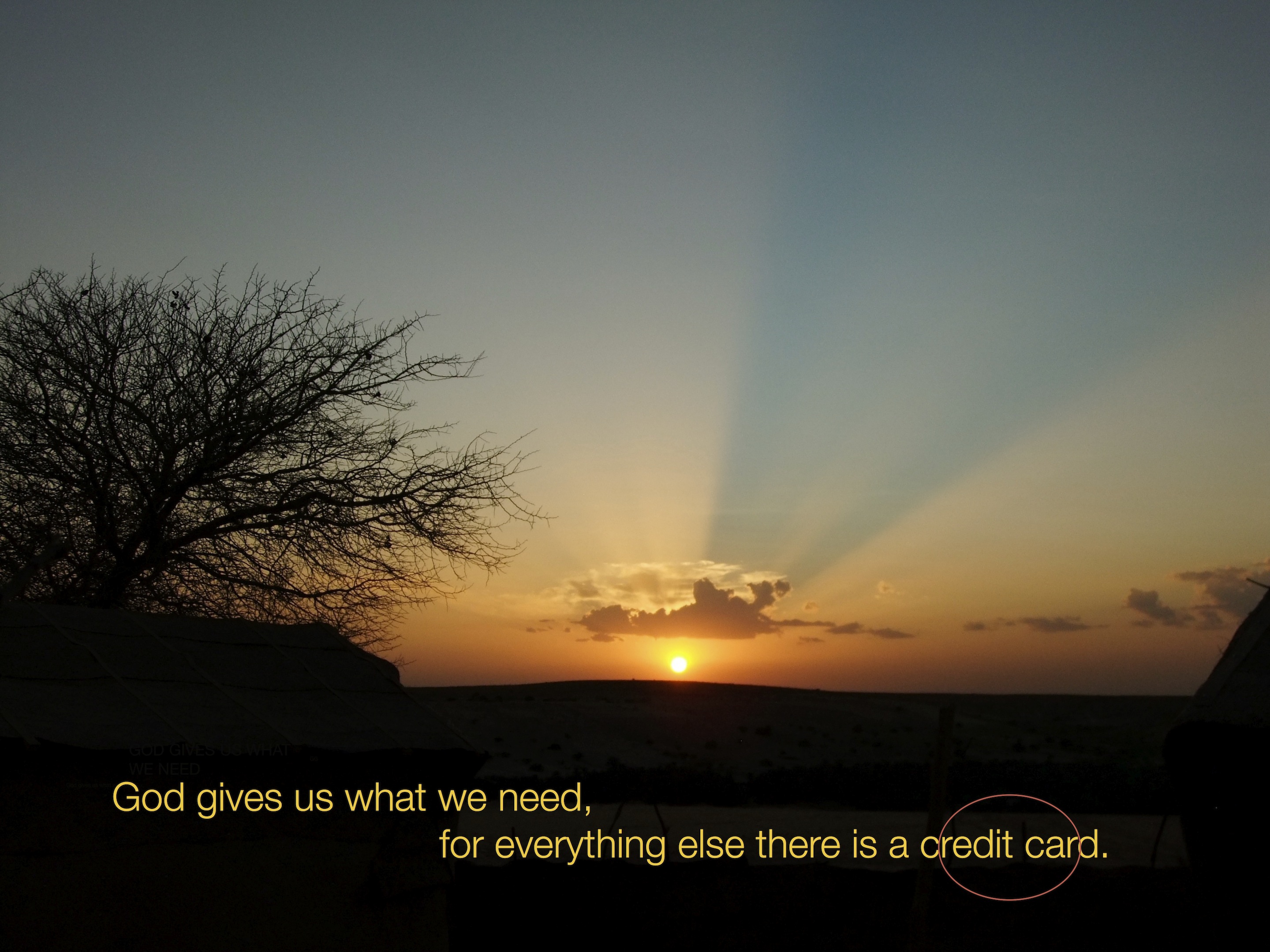
Invite somebody to read - Lade jemand zum lesen ein:
Erhebt euch, alle Frauen die Herzen haben, egal ob ihr mit Wasser oder mit Tränen getauft seid! Sagt deutlich: Wir werden die grossen Fragen nicht durch irrelevante Gremien entschieden haben. (J. W. Howe, 1870)
Ein weiterer Muttertag für eine friedlichere Welt (photo credit: AP Photo/Sunday Alamba)
Vergesst die Blumen, die Pralinen, die überteuerten Karten mit aufgedruckten Standartfloskeln. Die oft übersehenen oder nicht ernst genommenen Anliegen und Beiträge der Mütter in aller Welt sind von höchster politischer und sozialer Relevanz.
Der folgende Appell ist eine der Grundlagen für einen offiziellen Feiertag zur Ehren der Mutter: Darin geht es nicht um romantisierende Vorstellungen oder um eine Vermarktung im Namen des uneingeschränkten Profites! Die Dringlichkeit, die Mütter als Bewahrerinnen des Friedens an zu erkennen und ihnen dazu eine Stimme zu verleihen, hat seither nicht abgenommen.
Arise, all women who have hearts whether your baptism be that of water or of tears! Say firmly: We will not have great questions decided by irrelevant agencies. (J.W. Howe, 1870)
Another Mother’s Day in the name of peace (photo credit: AP Photo/Sunday Alamba)
Forget the flowers, the chocolates, the overpriced cards with a printed, standard nicety on it. Mothers’ concerns and contributions are of highest political and social importance.
The following appeal is one of the roots of Mother’s Day as a celebrated holiday: No romantic notion and definitely no commercialization in the name of greedy profit! The urgency to recognize mothers as peace keepers of the world and to give them a voice as such has not diminished since then.
Passion of Christ fresco (Crucifixion), Kirche Tenna, GR, Switzerland, around 1408, unknown artistPassion of Christ fresco (Burial), Kirche Tenna, GR, Switzerland, around 1408, unknown artist
These two panels show the crucifixion and burial of Jesus. The people who became direct witnesses to these tragic events seem more prayerful and grieving than upset and angry. Continue reading “Lenten Meditation #9”→
Invite somebody to read - Lade jemand zum lesen ein:
Passionszyklus (Beweinung am Kreuz), Kirche Tenna, GR, um 1408, unbekannter KünstlerPassionszyklus (Grablegung), Kirche Tenna, GR, um 1408, unbekannter Künstler
Die beiden Bilder zeigen die Kreuzigung und Grablegung Jesu. Die Leute, die direkte Zeugen werden von den tragischen Ereignissen der Karwoche, scheinen mehr besinnlich und trauernd, aber sicher nicht aufgebracht oder wütend. Continue reading “Betrachtung zur Fastenzeit #9”→
Invite somebody to read - Lade jemand zum lesen ein:
Passion of Christ fresco (Jesus vor Pontius Pilatus), Kirche Tenna, GR, around 1408, unknown artist
An injured and slightly bent man is being presented. The authorities, visibly marked by their distinct headdress and their armoured entourage, look slightly puzzeled. What is the meaning of the finger play of these figures? There are big differences between the three “crowned” characters in this picture. The injured person does not seem completely isolated: The hand on his shoulder indicates a sign of humaneness. Continue reading “Lenten Meditation #6”→
Invite somebody to read - Lade jemand zum lesen ein:
Passionszyklus (Jesus vor Pontius Pilatus), Kirche Tenna, GR, um 1408, unbekannter Künstler
Ein verletzter und leicht gebeugter Mann wird vorgeführt. Die Autoritäten, erkennbar an ihren Kopfbedeckungen und ihren gepanzerten Begleitschaften, sehen ein bisschen ratlos aus. Was bedeutet das Fingerspiel der Figuren? Es gibt eine grosse Diskrepanz zwischen den drei “Gekrönten” im Bild. Der verletzte Mensch scheint nicht ganz alleine: Die Hand auf seiner Schulter drückt ein bisschen Menschlichkeit aus. Continue reading “Betrachtung zur Fastenzeit #6”→
Invite somebody to read - Lade jemand zum lesen ein:
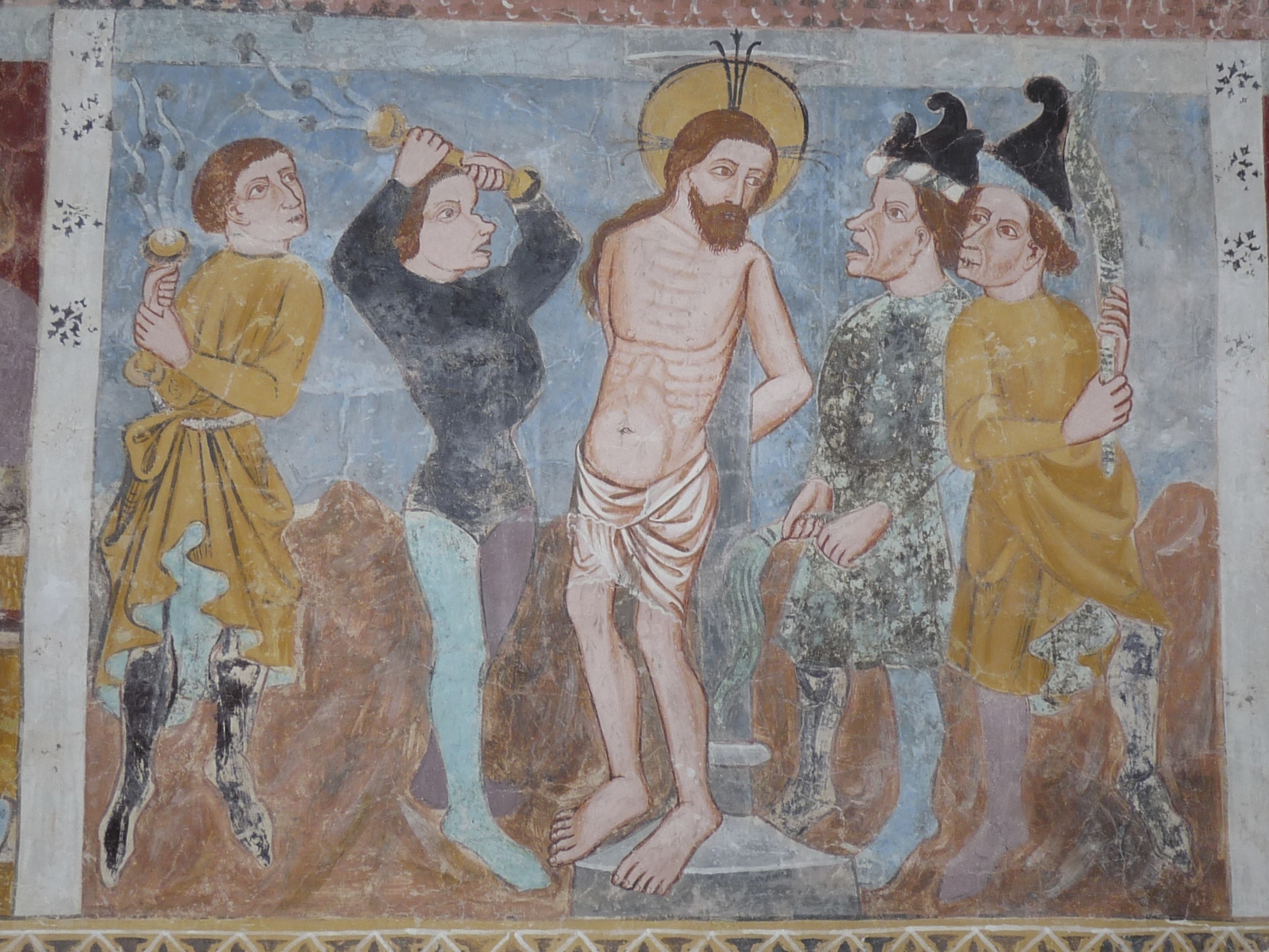
Passionszyklus (Geisselung), Kirche Tenna, GR, um 1408, unbekannter Künstler
Ein beinahe entkleideter Mann, an eine Säule gebunden, umgeben von vier Männern die auf ihn ein zu wirken scheinen. Sie sehen bedrohlich aus oder schauen anteillos zu. Obwohl keine offensichtliche Gewaltanwendung und Blut dargestellt sind, versteht der Betrachter die körperliche und seelische Misshandlung. Der Körper sieht unversehrt aus, auf dem Gesicht kein Ausdruck von Schmerz oder Leiden. Continue reading “Betrachtung zur Fastenzeit #4”→
Invite somebody to read - Lade jemand zum lesen ein:
Passion of Christ fresco (Flagellation), Kirche Tenna, GR, around 1408, unknown artist
An almost naked man, tied to a pillar, surrounded by four men that seem to act against him. They are menacing or look indifferent. Despite the lack of graphic violence and blood, the viewer understands the physical and verbal mistreatment. The body appears unscathed, no expression of pain or suffering on the man’s face. Continue reading “Lenten Meditation #4”→
Invite somebody to read - Lade jemand zum lesen ein:
Passion of Christ fresco (Kiss of Judas), Kirche Tenna, GR, around 1408, unknown artist
The brotherly kiss, expressed with an obvious intimacy through the eyes. On one side a bystander who turns away. The colourful group of main characters is surrounded by an over-powering group – cold, harassing, threatening.
Passionszyklus (Judaskuss), Kirche Tenna, GR, um 1408, unbekannter Künstler
Der Bruderkuss, ausgedrückt in den Augen mit einer offensichtlichen Innigkeit; daneben ein sich abwendender Beistehender. Die farbige Gruppe der Hauptfiguren ist im Hintergrund umgeben von einer übermächtigen Gruppe – kalt, bedrängend, bedrohlich. Continue reading “Betrachtung zur Fastenzeit #2”→
Invite somebody to read - Lade jemand zum lesen ein:
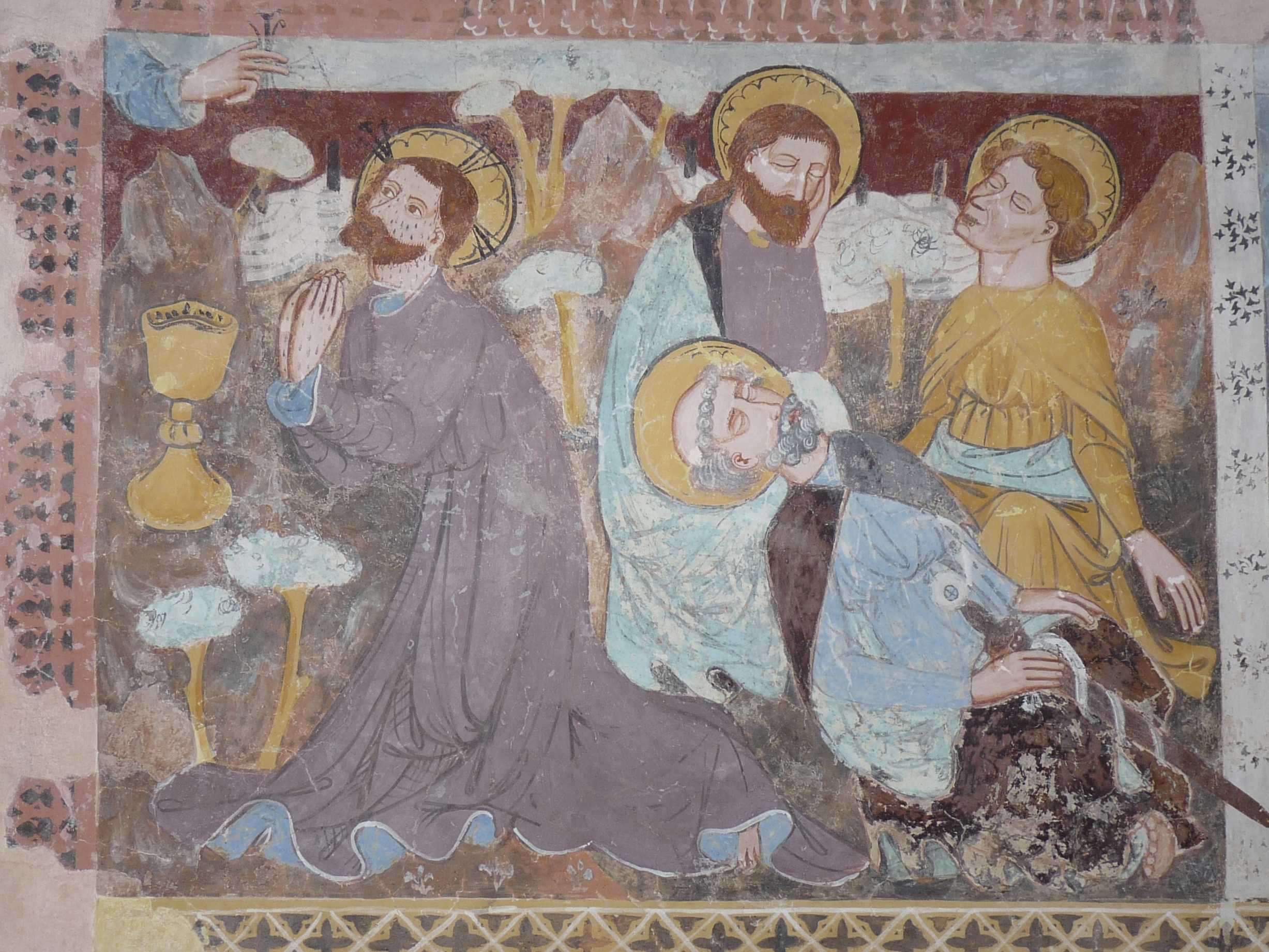
Passion of Christ fresco (Garden Gethsemane), Kirche Tenna, GR, about 1408, unknown artist
One person is in distress, profusely sweating on his face and on his hands. The others, very close to him, are sleeping – complacent, feeling safe, a sword in hand. Continue reading “Lenten Meditation #1”→
Invite somebody to read - Lade jemand zum lesen ein:
Passionszyklus (Garten Gethsemane), Kirche Tenna, GR, um 1408, unbekannter Künstler
Einer schwitzt, sorgt und fürchtet sich. Die anderen sind ganz nahe, doch sie schlafen – selbstzufrieden, sich in Sicherheit wähnend, das Schwert bei Fuss. Continue reading “Betrachtung zur Fastenzeit #1”→
Invite somebody to read - Lade jemand zum lesen ein:
Healthism is a holistic ideology, which focuses on an individual’s responsibility for his/her health based on informed choice (MacDonald, 1998). Health promotion is deeply embedded in this ideology. Healthism is the culmination of individualistic and consumerist thought, making one’s own body as the sole focus of values and decisions. Health, as a narrowly defined medical standard, and beauty, as expressed in outward physical appearance, become the most important indicators of personal well-being. In combination with these individualistic thinking patterns, the physical environment is being seen as a constant threat to human health and well-being. Society and cultural expression become almost irrelevant in the context of health.
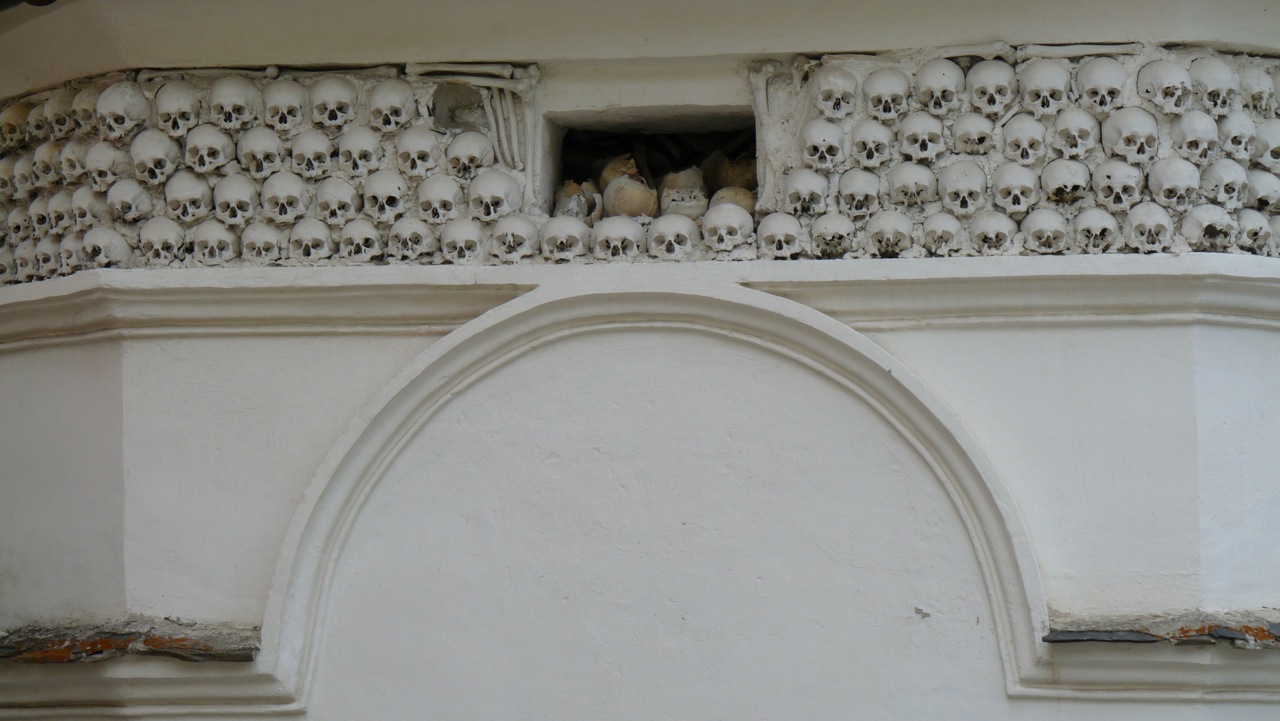
Pfarrkirche in Vrin, GR, Switzerland: Gedenkstätte für die Pestopfer – Memorial for the victims of the Black Death.



 OFRADIX