The End of the World – parts 2 and 3

Here are the second and third part of a series of study sessions on Quaker theology and history illuminating the “end of the world” topic.

For the first part, you can go to the following blog post: The End of the World – part 1

The following parts are available here: The End of the World – parts 4 and 5

Was macht Macht mit mir? (+EN)

Macht ist die Fähigkeit Einfluss zu nehmen im Leben. Das kann sich sowohl auf das eigene wie auch auf andere Leben beziehen. Wenn ich im eigenen Leben keine Macht habe, dann kann ich mich sehr schnell ohnmächtig fühlen. Das Ohnmachtsgefühl kann natürlich auch daher kommen, dass ich mir nicht bewusst bin, dass ich auf mein Leben Einfluss nehmen könnte.

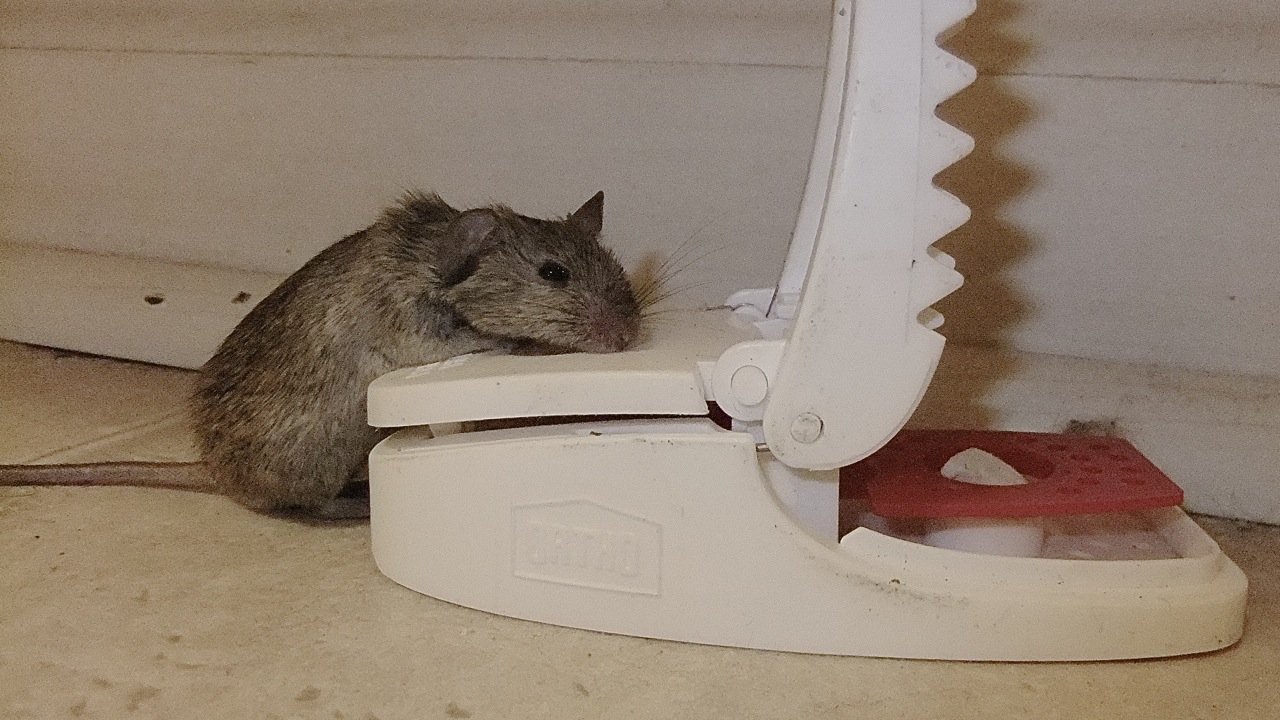
MouseTrap2

Lange Zeit wurden Menschen durch autoritäre Figuren und Systeme konsequent in einer abhängigen Beziehung gehalten. Macht wurde schonungslos ausgeübt. Die Machthaber haben das gemeine Volk bewusst im Unwissen gelassen. So auch die Kirchen. Sie haben Gott als den Allmächtigen definiert, was dem Menschen nicht viel Einfluss auf das eigene Leben oder das Leben der Gemeinschaft lässt.

Stellt euch vor, Gott wäre als Alles-Liebende verstanden worden… Continue reading “Was macht Macht mit mir? (+EN)”

Is perpetual direct democracy good for your health?

A friend of mine, Ion Delsol, operates a website – pasifik.ca – to support a vision of perpetual direct democracy. One of the experimental features is a section called “Now Polling” that is used to assess the will of the people on an ongoing basis. It is Ion’s firm belief that democracy should happen more often than on election day every four years. To read about Ion’s vision, visit this link: Perpetual Direct Democracy (available in Spanish as well).

I was recently asked by Ion to share my views and experiences of the health care system in British Columbia and Canada. The discussion started with a critique of the current health care system. It continued to consider more fundamental factors than bigger and better machines and shorter wait times: Social determinants of health. Income equality, social justice, and political empowerment will make people healthier.

Ion taped and edited the conversation and it will be broadcast on the community cable channel in British Columbia. The interview is also available online on pasifik.ca and YouTube:

Determinants of Health – Part 1

Determinants of Health – Part 2

Determinants of Health – Part 3

Determinants of Health – Part 4

The End of the World – part 1

Are you anxious about global warming, the repeat waves of recession, government shut downs, or any other discernible sign of an impending apocalypse?

The end of the world has been a popular topic for centuries, but none of the doomsday scenarios so far have caught my attention. But I feel inspired by the thoughts and queries shared by Ben Pink Dandelion, a quaker scholar from England.

Here is the first part of a series of study sessions on Quaker theology and history illuminating the “end of the world” topic.

The study sessions took place during the Canadian Yearly Meeting of the Religious Society of Friends in Kemptville, ON in August 2013. I will link to the following instalments of this five part series as they are posted publicly.

The End of the World – parts 2 and 3

The End of the World – parts 4 and 5

One Story of Simplicity – Reimagining the Good Life

‘Living in this intentional community of people with varied abilities was the first step away from a gainful career and towards voluntary poverty.’

Für eine deutsche Übersetzung klicke hier:
Eine einfache Geschichte

Othmar F. Arnold (2012)

My journey started more than fifty years ago in Switzerland. I was born the second child of four to parents who grew up still deeply embedded in the cultural fabric of a conservative Catholic society. The first fourteen years of my life I grew up comfortably and quite sheltered in a small town. My family was the perfect family: dad was working as an engineer (he was the first in his family to benefit from higher education, thus escaping the rural poverty of the peasant life or the hardship of the working class experienced by his forefathers). Mom stayed home after marriage, but before has mastered a professional qualification and has earned a living on her own (this was also a first in her family that had also very recent rural roots – her father was born into a migrant farm worker family with no possessions and very limited rights). They were very proud of their achievements and upward mobility in social class. They also had grand expectations for her children who were to be given all opportunities to make it to the top of modern society.

At age fourteen, I woke up from the dream. Continue reading “One Story of Simplicity – Reimagining the Good Life”

Stories of Simplicity – Reimagining the Good Life

The Simplicity Institute put out a call for stories for a book which aims to provide more insight into the various ways people are living simpler lives. It is worthwhile to browse through these stories. If you have your own story to tell, please submit it here: Stories of Simplicity.

The first book is available online and for free: “Stories of Simplicity – Reimagining the Good Life“. My own contribution can be found on pages 149 to 151 of the book.

Image

For more publications from the Simplicity Institute you can follow this link: Publications.

Curious Chamois – Gwundrige Gämse

This slideshow requires JavaScript.

Bilder vom Sonntagsausflug in Tenna. Der Weg führte mich vom Dorf über die Tenner Alp zur Tälli Hütte (2180 müM) und dann zum Nolla (2384 müM) hoch. Auf einer Krete oberhalb des Hööwang traf ich auf eine Gämse. Erst versteckte sie sich im Gelände. Dann stieg ich weiter hoch am Berg um die Gämse besser zu beobachten. Sie liess das noch eine Weile zu, dann wurde es ihr zu viel immer angestarrt zu werden, und sie hüpfte schnell und graziös durch das schwer begehbare Gelände zwischen dem Nollachopf und dem Schrattabärg.

For the English text, see the captions.

Alte und neue Wege – Old and new ways

In den letzten Tagen war ich immer wieder unterwegs, auf alten und neuen Wegen. Eingeschränkt war ich nur durch den frischen Schnee, der vor allen die nicht befestigten Wege sehr rutschig machte und das gehen im steilen Gelände erschwerte.

Als ich vor fast dreissig Jahren das erste Mal nach Tenna kam war die Gemeinde noch über die alte, einspurige Talstrasse erschlossen. Von der Tenner Höhe aus gab es eine Stichstrasse zum Dorf hoch die auf gut 2 km Strecke 400 Höhenmeter überwand. Heute sind grosse Teile der Talstrasse und die Zufahrtsstrasse nach Tenna nach modernen Strassenbaunormen ausgebaut. Das folgende Video zeigt die Talfahrt von Tenna nach Versam, ein Erlebnis das auch heute noch nicht empfehlenswert ist für Leute mit Höhenangst.

During the last few days, I was hiking on old and new trails. I was only limited by the fresh snow that made all the trail without a hard surface very slippery. Thus the hiking in this steep terrain became more strenuous.

When I first came to Tenna about thirty years ago, the valley was served by a mostly single-lane gravel road. From the main road, an access road connected the village of Tenna. On a distance of just over two kilometres (1.4 mi) it gained 400 meters (1200 ft) in elevation. Today, most of the main road and the access road to Tenna are build to modern-day standards. Nonetheless, as the following video shows, the ride is still reminiscent of a roller coaster ride and not for the faint of heart.

Continue reading “Alte und neue Wege – Old and new ways”

Ankunft – Arrival #5

Meine stille Zeit im Kloster ist nun vorbei. So bin ich am Wochenende aufgebrochen von Rapperswil. Nun bin ich nach einer kurzen Reise wieder dort angekommen, wo ich vor 28 Jahren auch schon einen Neustart gewagt hatte: Das Dorf Tenna im Safiental. Auf meinem Weg hierher, beim Aufstieg aus der Rheinschlucht, hatte ich die Gelegenheit den seltenen Frauenschuh blühend zu sehen.

The quiet time in the monastery is over for me. I left the friary in Rapperswil on the weekend. After a short trip, I arrived in the same place I arrived about 27 years ago to make a new beginning: the village of Tenna in the Safien valley of Switzerland. On my way up from the Rhine Gorge, I had the opportunity to spot the rare lady´s slipper orchid in full bloom.


Cypripedium calceolus - Gelber Frauenschuh - Lady Slipper
Cypripedium calceolus – Gelber Frauenschuh – Lady Slipper

“Der Frauenschuh (Cypripedium calceolus) ist eine der eindrücklichsten einheimischen Orchideen. Die Blüte verströmt einen leichten aprikosenähnlichen Geruch. Sie gehört zu den sogenannten Kesselfallen. Angelockte Insekten – vor allem Erdbienen – rutschen in die pantoffelförmige Unterlippe und versuchen, über eine durch lichtdurchlässige Stellen der Pantoffelwand beleuchtete Haartreppe ins Freie zu glangen. Dabei streifen sie die Staubbeutel und beschmieren sich Kopf und Rücken mit der wächsernen Pollenmasse. Beim Besuch der nächsten Blüten – und einem neuerlichen “Reinfall” – streifen sie den Pollen beim Entkommen an der klebrigen Narbe ab. Dass diese edelste der einheimischen Orchideen strengsten Schutz braucht, wird sofort verständlich, wenn man weiss, dass sie erst nach 16 Jahren erstmalig blüht und ausserdem jahrelang auf die Symbiose mit einem Bodenpilz angewiesen ist.
An den locker bewaldeten, halbschattigen Hängen zur Rheinschlucht hin gefällt es dem Frauenschuh offenbar gut.”

Text: Martin Koradi (http://www.phytotherapie-seminare.ch)

Doch heute erwachte ich in einer ganz anderen Welt: – But today, it is a different world:

This slideshow requires JavaScript.

Ein Alphorn im Kloster

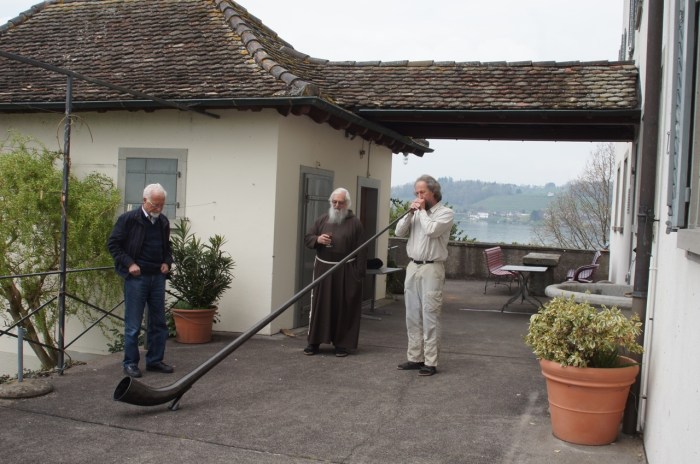
Image 5(photo credit: Kapuzinerkloster Rapperswil)

“Ein Alphorn im Kapuzinerkloster?

Heimatliche Alphornklänge lassen die Klostermauern erzittern? Ist das der neue Kapuzinerstil, um die Brüder zum Gebet zu rufen? Nein, Othmar Arnold, gegenwärtig Langzeitgast im Kloster zum Mitleben, hat andere Gründe das Alphorn zu spielen. Einerseits ist die Menzingerschwester Ursula Raschle für vier Tage ins Kloster gekommen. Sie räumt gegenwärtig ihr neues Zimmer im Kapuzinerkloster ein. Ab dem 30. Mai wird sie definitiv zur Rapperswiler Klostergemeinschaft gehören und hier wirken. Vorher will sie sich jedoch noch etwas auf den Pilgerweg nach Santiago di Compostela begeben.
Für den Kapuziner Nikodem Röösli heisst es nun definitiv Abschied zu nehmen. Der Einsiedler und Spiritual vom Gubel hat bisher juristisch zum Kloster Rapperswil gehört. Neu gehört er zum Kapuzinerkloster in Schwyz und wird später seine Klause in Rigi Klösterli bewohnen. Der dritte und letzte Grund ist der Namenstag vom Kapuziner Erwin Benz. Er arbeitet im Sonnenberg in Baar, einem heilpädagogischen Schul- und Beratungszentrum, und gehört auch zu der Rapperswiler Brüderschar. Darum, lieber Othmar, nur weiter so – die Geschwister am Endingerhorn haben zu feiern!”

(Von der Klosterwebsite: http://www.klosterrapperswil.ch

Warum also sollte ich mir Sorgen machen?
Es ist nicht meine Angelegenheit, an mich zu denken.
Meine Angelegenheit ist es an Gott zu denken.
Es ist Gottes Sache an mich zu denken. (Simone Weil)

(English version below)

Zitat aus: Mystik und Widerstand: Du Stilles Geschrei, von Dorothee Sölle

Experiments in living - multicultural lichen colony with a funny face on Boothia Peninsula, Nunavut.
Lichen colony in an inhospitable environment on Boothia Peninsula, Nunavut.

„Why should I be anxious?
It is not up to me to think of myself.
It is up to me to think of God.
And it is up to God to think of me.” (translation by Barbara and Martin Rumscheidt)

Quote from: The Silent Cry: Mysticism and Resistance by Dorothee Soelle

Colourful Planet Earth – Farbige Erde


Mother Earth at her most colourful. These pictures were taken on the island of Mauritius (Chamarel, Black River District), where basalt outcrops with varied mineralizations weather into motherly and colourful images.
Mutter Erde von ihrer farbigsten Seite. Diese Bilder entstanden auf der Insel Mauritius (Chamarel, Rivière Noire Distrikt) wo Basaltfelsen mit verschiedensten Mineraleinschlüssen verwittern und sowohl die mütterlichen, wie auch die farbigen Seiten unseres Planeten zeigen.

.

Toleranz – Tolerance

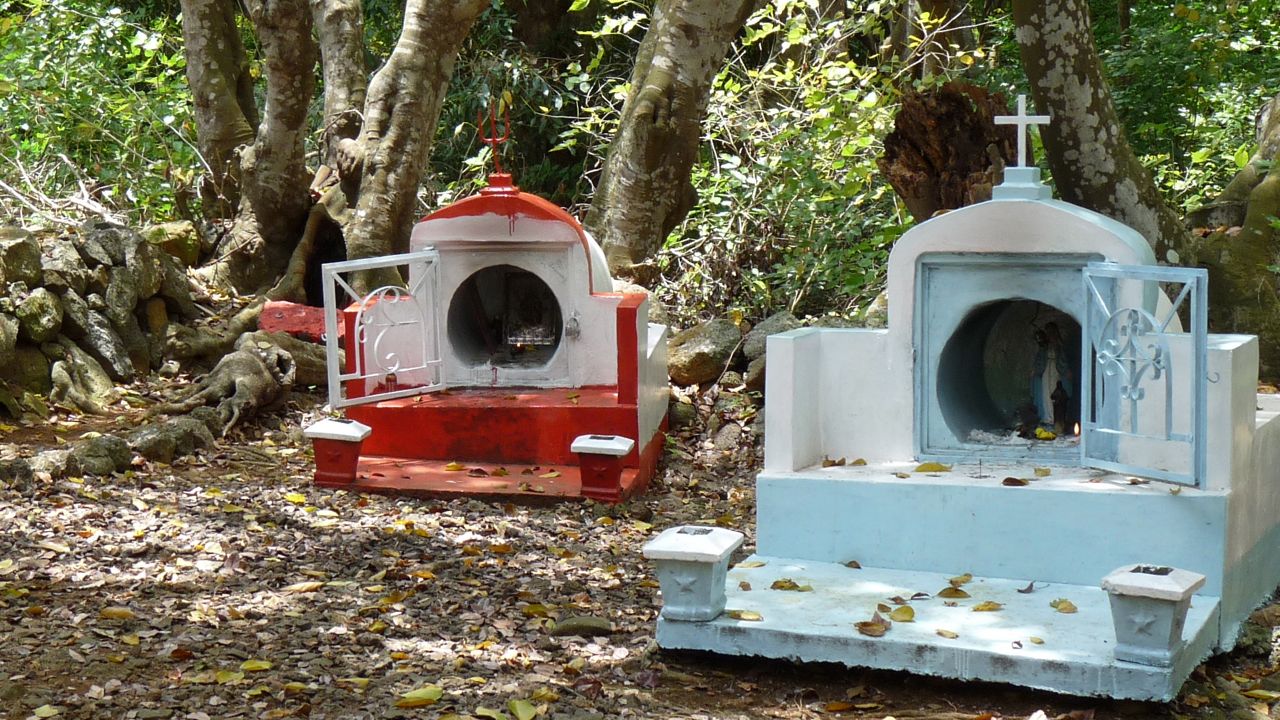
Das Verehren des Göttlichen: in verschiedenen Kulturformen und friedlichem Mit- und Nebeneinander - Worshiping the Divine: A variety of cultural forms working peacefully together side-by-side.
Das Verehren des Göttlichen: in verschiedenen Kulturformen und friedlichem Mit- und Nebeneinander – Worshiping the Divine: A variety of cultural forms working peacefully together side-by-side.

An English translation follows below.

Ökumene und interreligiöser Dialog in Bild und Taten. Das Bild stammt von der Insel Mauritius, weit weg von den Luxusstrandhotels und Vergnügungspalästen für europäische Touristen. Auf einem meiner Fussmärsche durch das Innere der Insel, erst durch die grossen Zuckerrohrfelder, dann entlang der eingezäunten Jagdreservate, und endlich durch die tropischen Wälder stiess ich auf dieser Stelle mit drei Schreinen: Continue reading “Toleranz – Tolerance”

Easter Laughter – Osterlachen: “Risus Paschalis”

KlosterRappi7

In some parts of Europe in the Middle Ages, there was an Easter tradition called risus paschalis, or “Easter laughter.”  After Vespers and Benediction, the priest would regale his congregation with comical stories and jokes, often fables with a moral point to make.  After the somber weeks of Lent, the laughter was both a reward and a release.  The tradition died out following the Protestant Reformation, but perhaps it will make a comeback. Happy Easter! (from cathedralliturgy.blogspot.ch)

Osterlachen bezeichnet den Brauch, in der Predigt an Ostern die Gottesdienstgemeinde zum Lachen zu bringen. In einigen Regionen war es vom 14. bis 19. Jahrhundert fester Bestandteil des christlichen Brauchtums. Zu diesem Brauch gehörte es, in der Osterpredigt eine Geschichte zu erzählen, die die Gemeinde zum Lachen brachte. Der Grundgedanke des Osterlachens war die Osterfreude zum Ausdruck zu bringen. Das Osterlachen war auch eine lustige Art, ein wenig Kritik an der weltlichen oder kirchlichen Obrigkeit zu üben. Frohe Ostern! (aus Wikipedia)

Here an attempt to share the Easter laughter:

The Pope comes to the Pearly Gates and rings the bell. Peter responds quickly and opens the door. “Welcome to heaven. Who are you, my guest?” “I am the Pope, your successor in the apostolic office in Rome” says the pope with a hint of disappointment in his voice. “I have no idea who you are and what you are talking about. Let me quickly ask my boss!” As soon as Peter finished speaking, God the Omnipresent appeared. “How can I help you?” she said to the Pope. “I am the Pope. I am your representative on earth.” God raises her eyebrows and falls into deep silence for a short time. Then she says to the Pope: “I am sorry. I don’t recognize you and I am not clear what you are talking about. But let me consult with my son.” God sent an instant message to Jesus. He arrives at heaven’s door without delay and greets the Pope. He takes him aside, inquires about his concerns, and engages him in a conversation. After a while, Jesus comes back with a big grin on his face: “I wasn’t aware that the fisherman’s club we formed two thousand years ago was still in existence!”

Versuche ob dich die folgende Geschichte zum Lachen bringen kann.

Der Papst kommt zum Himmelstor und klingelt. Petrus eilt herbei und öffnet. “Gegrüsst seiest du. Wer bist du denn?” “Ich bin der Papst, ich bin dein Nachfolger im apostolischen Amt in Rom” sagt dieser mit einem Anflug von Enttäuschung in seiner Stimme. “Ich habe keine Ahnung wer du bist und wovon du sprichst. Lass mich mal meinen Boss fragen!” Kaum hat Petrus das gesagt, ist Gott der Allgegenwärtige da. “Ja, bitte?” spricht sie den Papst an. “Ich bin der Papst. Ich bin dein Stellvertreter auf Erden.” Gott runzelt ihre Stirn und versinkt in ein kurzes, tiefes Schweigen. Danach sagt sie zum Papst: “Es tut mir leid. Ich erkenne dich nicht und mir ist nicht klar wovon du sprichst. Aber, lass mich mal bei meinem Sohn nachfragen.” Gott sendet eine Instant-Message zu Jesus. Der kommt auch gleich an die Himmelspforte und begrüsst den Papst. Er nimmt ihn zur Seite, erkundigt sich nach dem Anliegen des unbekannten Gastes, und unterhaltet sich mit ihm. Dann kommt Jesus zurück, mit einem grossen Schmunzeln im Gesicht: “Ich war mir nicht bewusst dass dieser Fischer-Verein, den wir vor zweitausend Jahren ins Leben riefen, immer noch existiert!”

Related topics:

The significance of the insignificance of self

Die Bedeutung der Geringfügigkeit des Selbst


Mein Gott, warum hast du mich verlassen? – My God, why have you forsaken me?

Here a few thoughts on Good Friday, inspired by the bible verses in Mark 15:34 – Einige Gedanken zum Karfreitag, inspiriert von den Bibelworten im Markusevangelium (15:34)

Chad2

These children are the children of God in today´s world. They are bearing the cross for us who enjoy the privileges and the security of an affluent life. They are only a few months old, with the facial expressions of an old person facing death. They look us straight in the eyes with little or no energy to show the slightest emotion. But I can clearly hear their question:

“Why have you forsaken me?”

This is a question that touches me directly and encourages me to fight for more social justice, in my immediate surroundings as well as on a global scale, that mandates me to act for the well-being of all humans and the creation, and that is not simply of interest in a ancient religious text that can be interpreted in a spiritual context. Back then, Jesus was nailed to the cross – these children die with the same innocence in front of our eyes. Therefore, it is very important for me to always recognize the divine in every human being I have the honour to meet on my journey through life.

The suffering of the children of God is unnecessary and avoidable. Death shall be the rounding off of a fulfilled life. This week, I was able to cry a few times in remembrance of my contribution towards easing the suffering; a commitment I need to renew on a daily basis.

Chad1

Diese Kinder sind die Kinder Gottes von heute. Sie tragen das Kreuz für uns, die wir alle Privilegien und Sicherheiten einer wohlhabenden Gesellschaft geniessen können. Sie sind einige Monate alt und tragen die Gesichtsausdrücke eines Greisen der kurz vor dem Tod steht. Sie sehen uns direkt in die Augen ohne auch noch die Kraft zu haben das geringste Gefühl auszudrücken. Aber ich kann ganz klar die Frage hören:

“Warum hast du mich verlassen?”

Dies ist eine Frage die mich direkt betrifft und mich anspornt mich zu wehren für mehr soziale Gerechtigkeit, im Kleinen wie auch in Grossen,die mich beauftragt mich einzusetzen für das Wohl aller Menschen und die Schöpfung, die nicht nur in einem alten religiösen Text steht und rhetorisch-spirituel interpretiert werden soll. Jesus hing damals am Kreuz – diese Kinder sterben heute genau so unschuldig vor unseren Augen. Ich finde es für mich immer wieder wichtig, das Göttliche in jedem Menschen zu erkennen dem ich begegnen darf auf meiner Reise durchs Leben.

Das Leiden der Kinder Gottes ist unnötig und vermeidbar. Der Tod soll ihr Leben abrunden nach einem erfüllten Leben. Diese Woche konnte ich einige Male weinen in Erinnerung an meinen Betrag, den ich jeden Tag neu leisten muss, um diese Leiden zu verringern.

(Photo credits: Brian D´Cruz)

The medical emergency interventions through Doctors without Borders/MSF were giving one of the pictured infants a second chance in life. For the other one returned to God prematurely. الله يرحمه ويدخله فسيح جناته (May God have mercy on him and make him enter His vastest paradise). – Die medizinische Nothilfe durch Ärzte ohne Grenzen/MSF hat einem der abgebildeten Kinder eine zweite Chance im Leben ermöglicht. Das andere ist vorzeitig zum Schöpfer zurück gekehrt. الله يرحمه ويدخله فسيح جناته  (Möge Gott ihm Gnade zeigen und in Sein Himmelreich einziehen lassen).

For more information on my encounter with the pictured children, see the following blog entries: – Für weitergehende Informationen über die Umstände meiner Begegnungen mit den abgebildeten Kindern, kannst du die folgenden Beiträge lesen:

With MSF in Chad

Hope on the Horizon and Hope on the Horizon (the movie)